Reboot Your Metabolism in 30 Days: How Meal Delivery Makes It Effortless
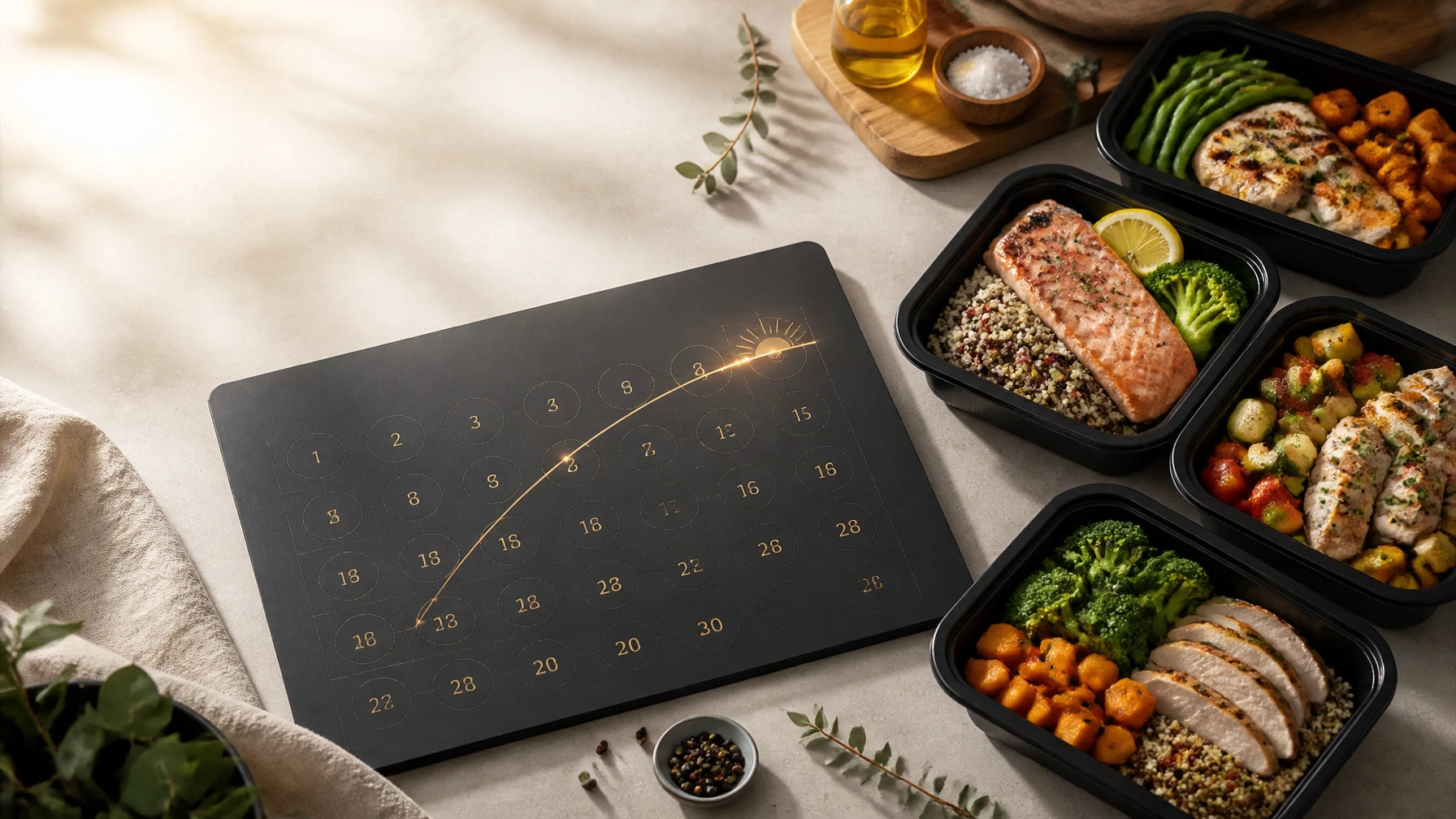
Thirty days can change the way you eat, move, plan, and feel.
Not through extreme restriction. Not through complicated recipes. Not through another short-lived diet that leaves you hungry and frustrated.
A successful 30-day metabolism reboot is built on repeatable fundamentals:
- Consistent, balanced meals
- Controlled portions
- Protein at every meal
- Fiber-rich vegetables and whole-food carbohydrates
- Fewer impulsive food choices
- Steady hydration and movement
- A routine you can actually maintain
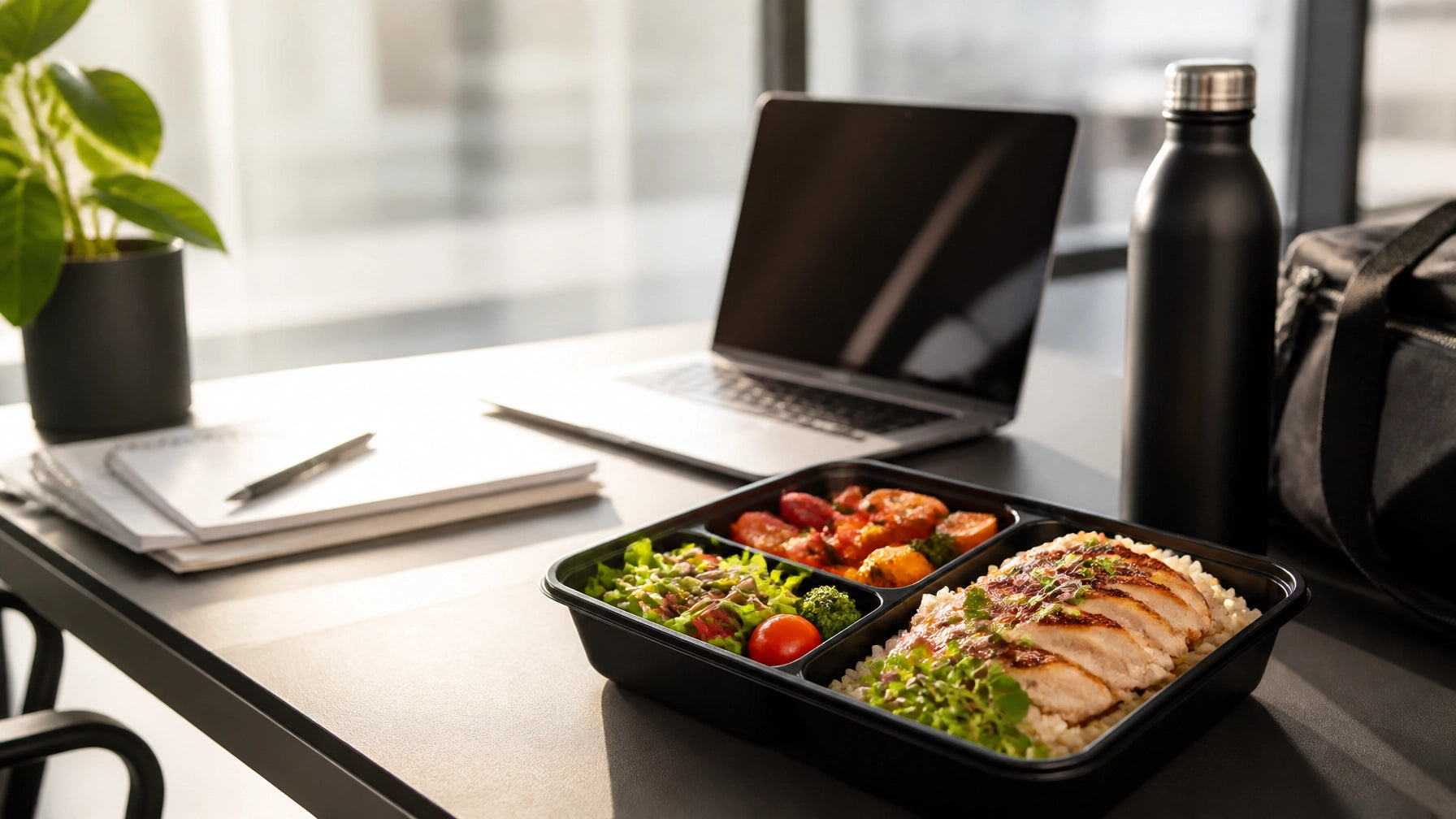
With Model Health Meals, those fundamentals arrive ready to eat. Our chef-prepared, dietitian-approved meals help you create a healthier routine without spending hours shopping, cooking, weighing ingredients, or cleaning the kitchen.
WHAT “REBOOTING YOUR METABOLISM” REALLY MEANS
Your metabolism is not a switch that can be permanently reset in 30 days.
The real opportunity is more practical: and more powerful. A structured month of nutritious, portion-controlled eating can help you improve the habits that support metabolic health, energy, appetite management, and weight loss.
A balanced meal pattern gives your body reliable fuel. Adequate protein supports fullness and lean muscle maintenance. Fiber-rich foods help create satisfying meals. Consistent portions make it easier to manage your overall calorie intake.
The CDC recommends gradual weight loss, generally around one to two pounds per week, as a more sustainable approach than rapid crash dieting. A 30-day reboot should focus on progress you can repeat: not punishing restriction.
WHY MEAL DELIVERY MAKES THE REBOOT EASIER
Healthy intentions often fail at the exact moment life gets busy.
You finish work late. You skip lunch. You order takeout. You snack while preparing dinner. One rushed decision becomes several days of “starting over.”
Meal delivery removes much of that friction.
PORTIONS ARE ALREADY SET
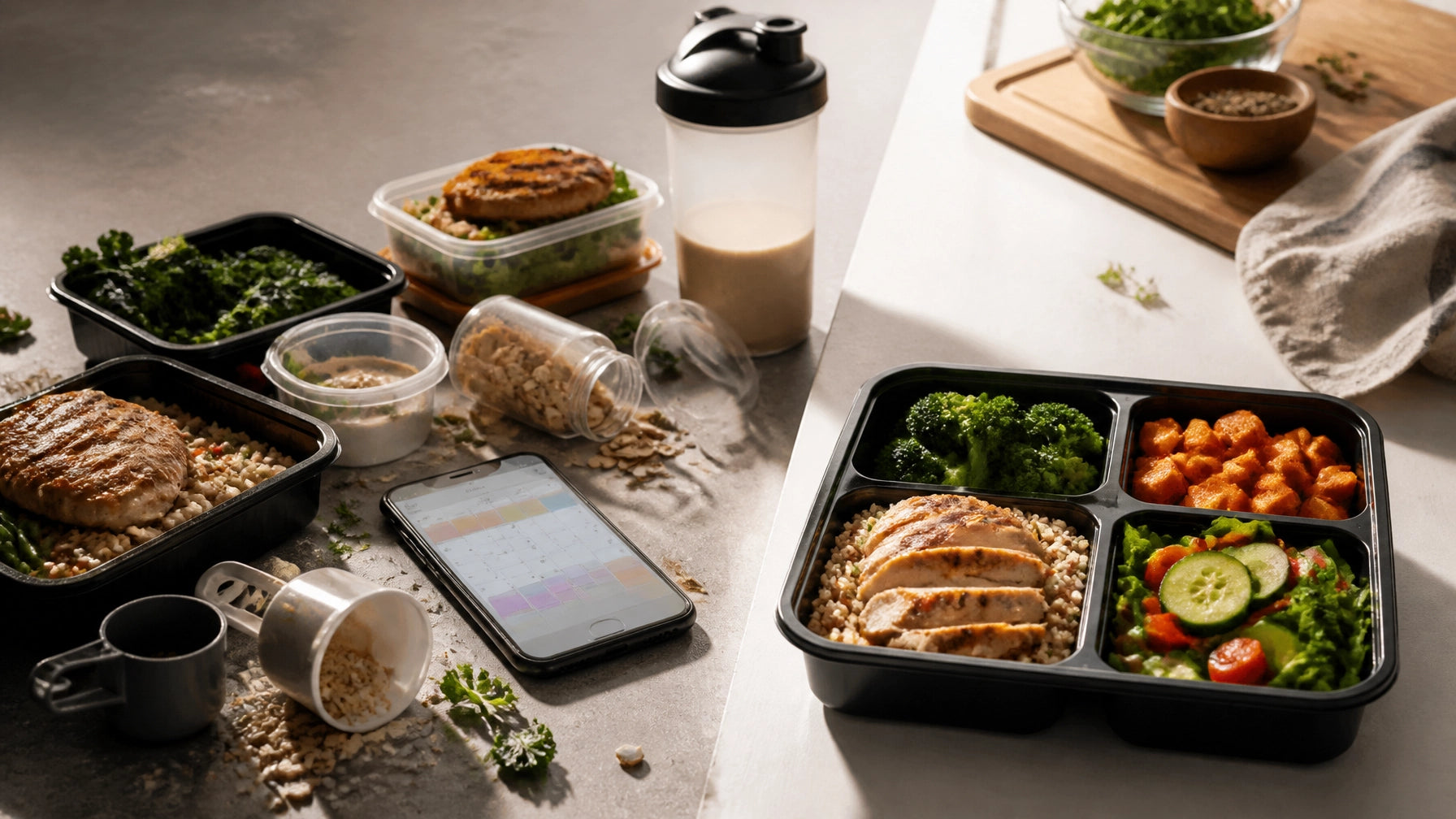
Pre-portioned meals reduce guesswork. You know what your meal is, how much you are eating, and what is available when hunger hits.
That structure can make it easier to stay aligned with your goals without constantly measuring ingredients or estimating restaurant portions.
PROTEIN IS READY TO GO
Model Health Meals offers options including grilled chicken, salmon, sirloin, tilapia, and turkey meatballs. A clear protein source at each meal can support satiety and help protect lean mass while you work toward weight loss.
Fitness-focused customers can also explore the Body Builder Kit, which lets you customize proteins and sides while keeping your macros in view.
WHOLE-FOOD SIDES ADD BALANCE
Pair your protein with options such as quinoa, farro, brown rice, wild rice, sweet potatoes, broccolini, green beans, or carrots.
This creates a simple, balanced foundation: protein for satisfaction, carbohydrates for fuel, and vegetables for volume, fiber, and nutrients.
Harvard’s Healthy Eating Plate uses a similar visual approach: fill approximately half your plate with vegetables and fruit, one quarter with quality protein, and one quarter with whole grains.

YOUR 30-DAY METABOLISM REBOOT PLAN
A reboot works best when each week has a clear purpose. Use the following structure with your selected meals, daily movement, hydration, sleep routine, and personal nutrition needs.
WEEK 1: BUILD YOUR BASELINE
Days 1–7: Create consistency.
The first week is about removing chaos from your meals.
Choose your meal plan through the weekly menu and decide when each meal will fit into your day. Place meals where you need the most support: busy lunches, post-workout dinners, or evenings when takeout is most tempting.
Focus on:
- Eating meals at reasonably consistent times
- Drinking water throughout the day
- Limiting sugary drinks and unplanned snacking
- Noticing your hunger, energy, and fullness levels
- Taking a short walk whenever your schedule allows
Do not chase perfection. Your only job this week is to establish a repeatable rhythm.
WEEK 2: SUPPORT STEADY ENERGY
Days 8–14: Make balanced meals automatic.
By week two, the novelty starts to fade. This is where convenience becomes a competitive advantage.
Keep prepared meals visible and accessible. Store them where you can reach them quickly. Plan your day before hunger makes the decision for you.
Build meals around:
- A substantial protein source
- A satisfying vegetable side
- A measured serving of whole-food carbohydrates
- Water, unsweetened tea, or another low-sugar beverage
You may notice fewer last-minute food decisions and more predictable energy between meals. If you still feel hungry, review your overall intake rather than dramatically restricting food. Active adults, larger individuals, and people training frequently may need different portions or additional food.
WEEK 3: ADD PERFORMANCE AND MOMENTUM
Days 15–21: Pair nutrition with movement.
Food is one part of metabolic health. Movement helps you build strength, preserve muscle, and support daily energy expenditure.
Aim toward the general public-health target of at least 150 minutes of moderate activity per week, plus muscle-strengthening activity on two or more days, as outlined in the CDC’s physical activity guidance.
Keep it realistic:
- Walk after lunch or dinner
- Complete two or three strength sessions
- Take the stairs when practical
- Add mobility work on recovery days
- Schedule movement like an appointment
If you are bodybuilding or following a cutting or bulking phase, use customizable options to better match your training plan. Your meals should support your goals: not force you into a one-size-fits-all routine.
WEEK 4: LOCK IN YOUR NEXT ROUTINE
Days 22–30: Turn progress into a lifestyle.
The final week is not the finish line. It is your transition point.
Review what worked:
- Which meals kept you satisfied?
- Which delivery days helped most?
- When did your energy feel strongest?
- Which snacks or habits disrupted your progress?
- Did your portions match your activity level?
- Which meals would you happily eat again?
Use your answers to create your next four-week routine. You might continue with a weekly mix-and-match plan, keep prepared meals for workdays, or combine delivery with simple meals at home.
The goal is not to depend on a “reset” forever. The goal is to make balanced eating easier to repeat.

WHAT YOU MAY NOTICE AFTER 30 DAYS
Everyone responds differently, and results depend on your starting point, food intake, activity, sleep, stress, and medical history. Still, a consistent month may help you notice:
- Fewer rushed food decisions
- More predictable meal timing
- Improved confidence around portions
- Better preparation for busy days
- More consistent protein intake
- Less reliance on takeout
- Improved awareness of hunger and fullness
- Progress toward a healthy weight-loss goal
Weight can fluctuate from day to day because of hydration, sodium, digestion, hormones, and training. Track trends rather than reacting to one morning’s number.
A reboot is successful when it gives you a system you can continue using.
MAKE HEALTHY EATING THE EASY CHOICE
You do not need another complicated plan.
You need meals that fit your schedule. Food that tastes satisfying. Portions that support your goals. Options that work for your lifestyle, whether you are pursuing weight loss, building muscle, managing macros, or simply trying to eat better during a demanding week.
Model Health Meals helps you remove the friction.
Explore the meal plans. Select from rotating options. Choose meals that fit your preferences. Keep nutritious food ready when you need it.
START YOUR 30-DAY REBOOT.
CHOOSE YOUR MEALS.
BUILD YOUR ROUTINE.
MAKE YOUR NEXT HEALTHY DECISION EFFORTLESS.

Nutrition needs vary. If you have diabetes, kidney disease, cardiovascular disease, a history of disordered eating, or another medical condition, consult a qualified healthcare professional before making significant dietary changes or beginning a weight-loss program.

Leave a comment
This site is protected by hCaptcha and the hCaptcha Privacy Policy and Terms of Service apply.