High-Protein Meal Prep for Muscle Gain: 10 Dietitian-Approved Tips
Building muscle takes more than showing up for your workouts. Your body also needs enough protein, energy, carbohydrates, and consistency to support recovery and growth.
That is where high-protein meal prep makes a major difference. When your meals are planned, portioned, and ready to eat, you spend less time guessing and more time following through.
Research from the International Society of Sports Nutrition suggests that most exercising individuals can support training adaptations with approximately 1.4–2.0 grams of protein per kilogram of body weight per day. Your ideal intake depends on your body size, training volume, goals, age, health status, and total calorie intake.
Use these 10 tips to make your muscle-gain meal prep more effective: and much easier to maintain.
1. SET A DAILY PROTEIN TARGET
Muscle gain starts with reaching your total daily protein target consistently.
A practical general range for active individuals is 1.4–2.0 grams per kilogram of body weight per day. Some athletes may benefit from a higher intake, particularly during intense training or a calorie deficit, but more is not automatically better.
For example, a 75-kilogram person might aim for approximately 105–150 grams of protein per day. That target should be distributed across meals instead of saved for one large dinner.
Start by calculating a reasonable range. Then build your meals around protein first.
PROTEIN FIRST. MEALS THAT WORK. RESULTS THAT ADD UP.
2. SPREAD PROTEIN ACROSS THE DAY
Your body can use protein throughout the day, not just after a workout.
Sports nutrition research commonly recommends spreading protein across several meals, often with approximately 20–40 grams per meal and roughly three to four hours between protein feedings. This structure makes it easier to reach your daily target while giving every meal a clear purpose.
A simple schedule could look like this:
- Breakfast: 25–35 grams
- Lunch: 30–40 grams
- Pre- or post-workout meal: 30–40 grams
- Dinner: 30–40 grams
- Snack: 15–25 grams, if needed
You do not need to follow an exact clock. The goal is to avoid accidentally eating most of your protein in one sitting.
3. CHOOSE HIGH-QUALITY PROTEIN ANCHORS
The easiest way to build a muscle-supporting meal is to begin with a substantial protein source.
Great meal prep options include:
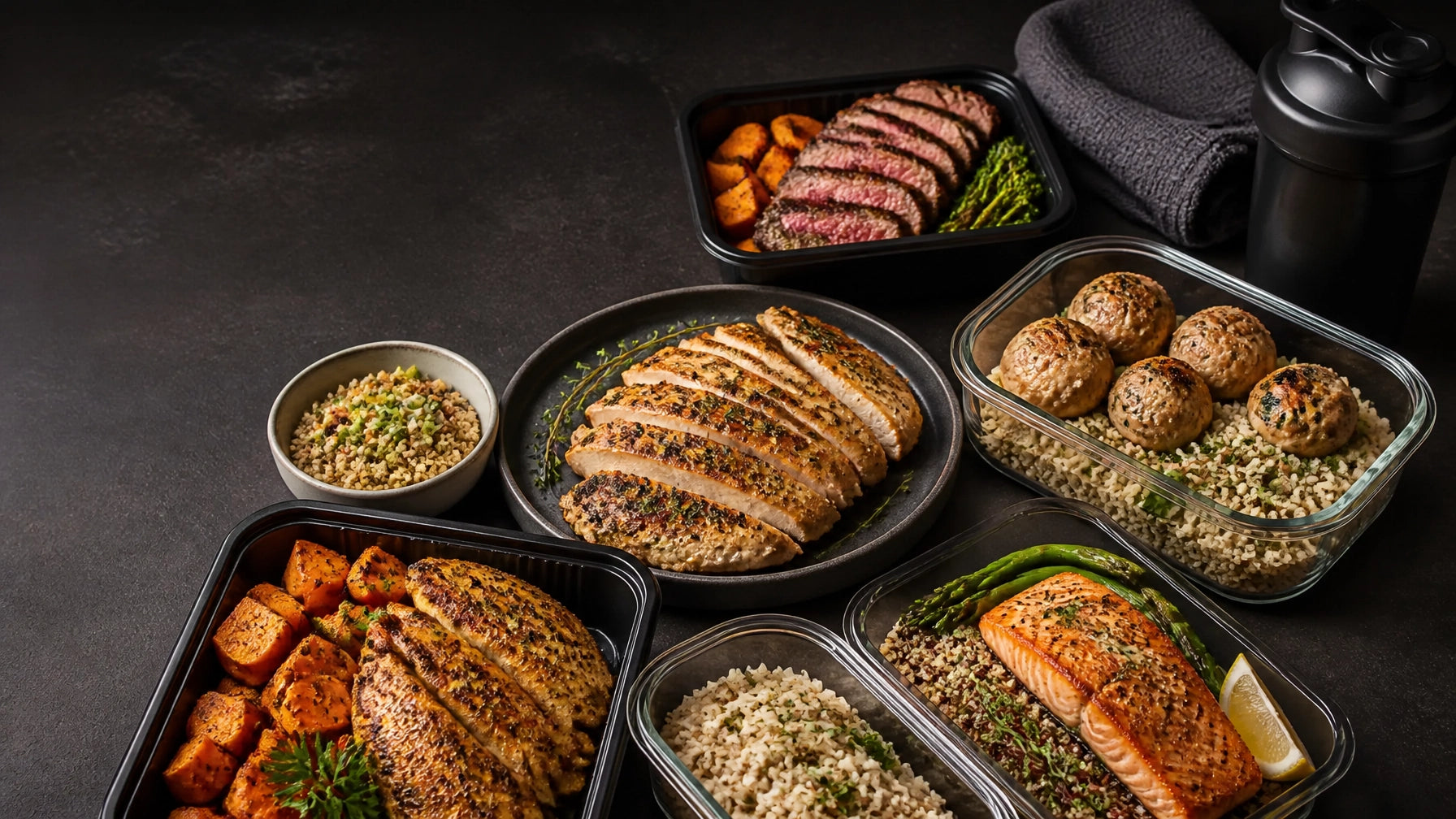
- Grilled chicken breast
- Pan-roasted salmon
- Lean sirloin
- Pan-roasted tilapia
- Turkey meatballs
These options provide complete proteins containing essential amino acids, including leucine, which plays an important role in stimulating muscle protein synthesis.

Variety matters, too. Rotating chicken, fish, beef, and turkey throughout the week keeps your meals more enjoyable and helps prevent diet fatigue.
4. PAIR PROTEIN WITH CARBOHYDRATES
Protein gets the spotlight, but carbohydrates help fuel demanding workouts and replenish muscle glycogen afterward.
Do not treat carbs as an afterthought during a bulk. Pair your protein with practical, meal-prep-friendly choices such as:
- Roasted sweet potatoes
- Steamed farro
- Quinoa
- Jasmine rice
- Brown rice
- Wild rice
A meal of grilled chicken with rice and vegetables can work well before or after training. Salmon with quinoa and greens offers another balanced combination. Sirloin with sweet potatoes provides a satisfying, higher-energy option.
Adjust portions based on your calorie target, training schedule, appetite, and progress.
5. PLAN AROUND YOUR TRAINING WINDOW
Protein timing does not need to be complicated. Total daily protein and calorie intake matter most, but a protein-rich meal before or after resistance training is a practical strategy.
If you eat before training, choose a meal that gives you enough time to digest. A combination of protein and carbohydrates: such as chicken with rice or turkey meatballs with sweet potatoes: can provide both amino acids and training fuel.
After training, prioritize a complete meal containing protein and carbohydrates. You do not need to panic about a tiny “anabolic window.” Research suggests that the muscle-building response to resistance exercise remains elevated well beyond the immediate post-workout period.
TRAIN HARD. EAT READY. RECOVER WITH PURPOSE.
6. BUILD MEALS WITH ENOUGH CALORIES
Muscle gain generally requires a calorie surplus: consuming more energy than you use.
That does not mean eating without structure. A controlled surplus can help support progress while limiting unnecessary fat gain. If your body weight and gym performance are not moving after several weeks, your meal plan may need more calories.
Increase portions strategically by adding:
- More rice, farro, quinoa, or sweet potatoes
- Healthy fats such as olive oil, avocado, nuts, or seeds
- An additional protein-forward snack
- A larger serving of your main protein
Track your intake and monitor your progress rather than relying on guesswork.
7. USE MACRO TRACKING TO STAY ACCURATE
If you are serious about bulking, macro tracking can help you understand what you are actually eating.
Record your daily:
- Protein
- Carbohydrates
- Fat
- Total calories
You do not have to make every meal identical. You do need enough consistency to identify patterns.
For bodybuilders, meal prep is especially useful because it makes portions easier to repeat and adjustments easier to make. If progress stalls, you can increase carbohydrates or total calories without rebuilding your entire diet from scratch.
The Model Health Meals Body Builder Kit is designed for customization. Choose from proteins such as turkey meatballs, grilled sirloin, tilapia, grilled chicken breast, and salmon, then pair them with sides including rice, farro, sweet potatoes, quinoa, and vegetables.
8. KEEP YOUR PROTEIN OPTIONS CONVENIENT
The best muscle-gain meal plan is the one you can follow on busy days.
Cooking several meals from scratch every week can take hours. Grocery shopping, portioning, cleaning, and calculating macros can become a second job. When convenience disappears, consistency often disappears with it.
Chef-prepared meals help remove that friction. You can keep high-protein options available for lunch, dinner, or a post-workout meal without starting from raw ingredients every time.

With Model Health Meals, you can select from rotating meals, order online, and have chef-prepared food delivered to your door. The How It Works page explains the process: choose your meals, let the chefs prepare them, and receive delivery on your selected delivery day.
9. PREP FOR THE WHOLE WEEK
Do not wait until you are hungry to decide what to eat.
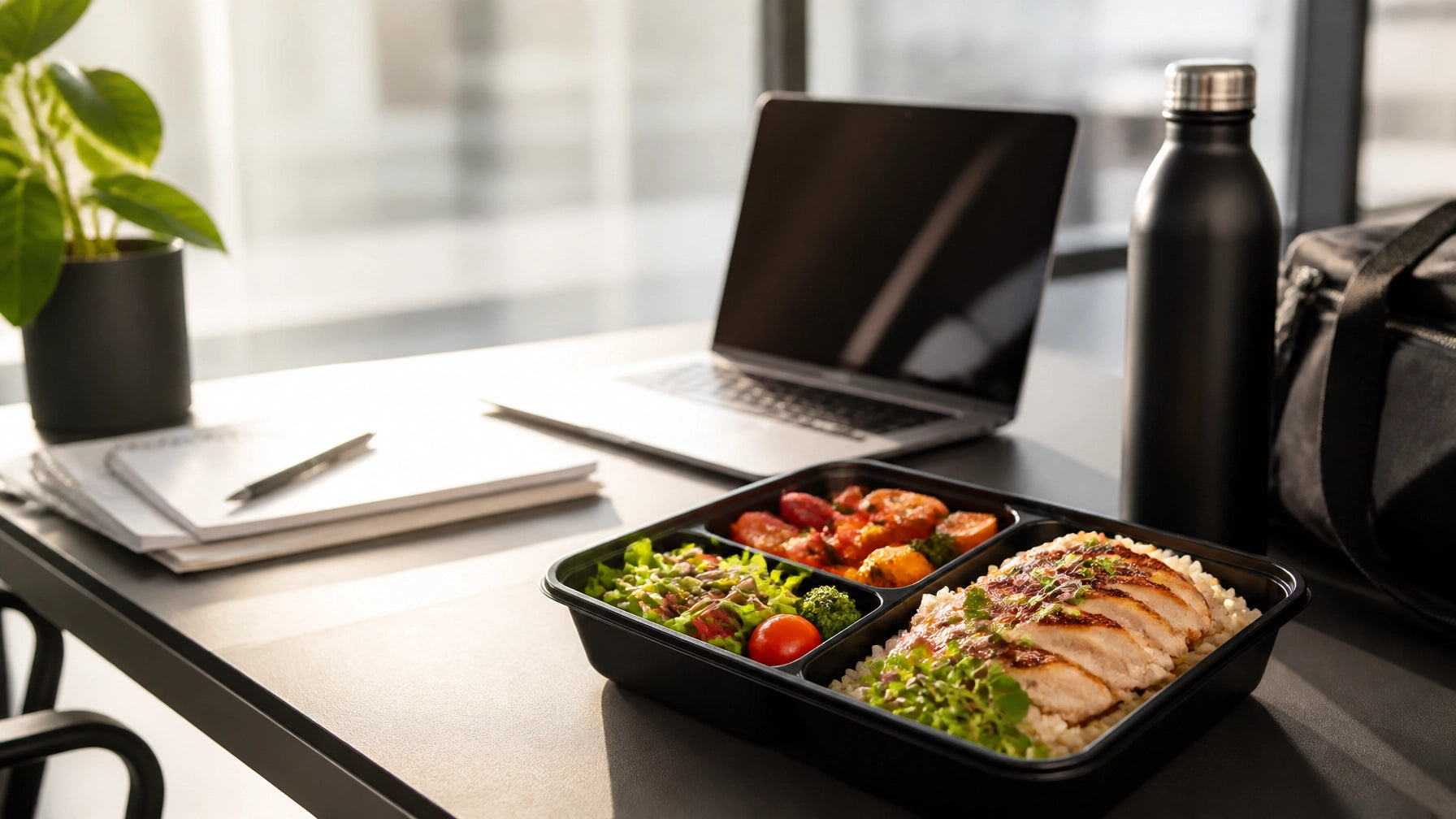
A successful high-protein meal prep routine starts with a weekly plan. Choose your meals before the week gets busy and make sure your refrigerator contains options that match your goal.
A basic weekly system:
- Choose two or three primary protein sources.
- Select two or three carbohydrate bases.
- Add vegetables and healthy fats.
- Portion meals according to your macro targets.
- Keep one or two quick protein snacks available.
- Review your intake at the end of the week.
Model Health Meals offers 5-, 7-, 10-, and 12-meal plans, so you can choose the level of coverage that fits your routine.
10. TRACK PROGRESS AND ADJUST
Your meal plan should support your training: not trap you in a fixed formula.
Track several indicators:
- Weekly body-weight trends
- Gym performance
- Recovery
- Hunger and energy
- Waist measurements
- Progress photos
- Macro consistency
If your weight is not increasing and your training performance is flat, you may need more calories. If weight is rising faster than intended, reduce portions slightly or review your calorie sources.
Give each adjustment time to work. Make one change at a time so you can understand its effect.

A SIMPLE HIGH-PROTEIN MUSCLE-GAIN PLATE
Use this formula when building your meals:
- One substantial protein: chicken, salmon, sirloin, tilapia, or turkey meatballs
- One performance-focused carbohydrate: rice, quinoa, farro, or sweet potatoes
- Vegetables: for volume, fiber, and micronutrients
- Healthy fats: adjusted to your calorie and macro targets
For a higher-calorie bulk, increase your carbohydrate or fat portions. For a more controlled approach, keep portions measured and monitor your weekly trend.
MAKE YOUR BULK EASIER
You do not need a more complicated diet. You need a more consistent one.
High-protein meal prep gives you structure. Macro tracking gives you control. Quality protein and carbohydrates give your training the fuel it needs. Delivery removes the cooking and planning barrier that causes many people to fall off their routine.
CHOOSE YOUR PROTEINS. BUILD YOUR MEALS. STAY ON PLAN.
Explore the Body Builder Kit, browse the weekly menu, and start building a meal prep routine that supports your next phase of progress.
Nutrition note: Protein and calorie needs vary by individual. If you have kidney disease, diabetes, a history of disordered eating, are pregnant, or have another medical condition, consult a qualified healthcare professional or registered dietitian before making major dietary changes.


Leave a comment
This site is protected by hCaptcha and the hCaptcha Privacy Policy and Terms of Service apply.