
The 6-Week Health Challenge: How to Build a Wellness Community That Keeps You Accountable
Starting a healthy routine is exciting. Staying consistent is where most people struggle.
You can have the best intentions on Monday and still lose momentum by Thursday. Busy schedules, last-minute meals, skipped workouts, and decision fatigue can quickly derail your progress.
A wellness community changes the experience.
When you commit alongside friends, colleagues, family members, or training partners, your goal becomes shared. You have people to encourage you, celebrate small wins, solve problems with you, and help you restart after a difficult day.
That is the purpose of a six-week health challenge: create a clear structure, build accountability, and make healthy choices easier to repeat.
WHY ACCOUNTABILITY MAKES HEALTHY HABITS EASIER
Motivation gets you started. Accountability helps you continue.
A group creates several practical advantages:
- You make your goal visible.
- You receive encouragement when progress feels slow.
- You have someone expecting your check-in.
- You can share solutions instead of facing every obstacle alone.
- You celebrate consistency, not just dramatic results.
Research reviewed by the Community Preventive Services Task Force supports community-based interventions that combine goal setting, self-monitoring, feedback, and peer support. These approaches can help adults improve eating and activity behaviors.
The key is to keep accountability supportive rather than intimidating.
Your challenge should not be about shame, extreme restriction, or competing to see who can be the most perfect. It should help every participant take the next useful step.
BUILD THE RIGHT WELLNESS COMMUNITY
A successful wellness community does not need hundreds of members. It needs shared expectations and regular participation.
Start with a group of people who want a practical health reset:
- Friends working toward healthier routines
- Colleagues seeking more energy during the workweek
- Fitness partners improving nutrition alongside training
- Families trying to eat more balanced meals
- Wellness groups building long-term accountability
Create one central communication channel. A group chat, private social group, or workplace channel can work well. Keep updates simple and consistent.
Before the challenge begins, ask every participant to share:
- One personal health goal
- One habit they want to build
- One obstacle they expect to face
- One reason the goal matters to them
This makes the challenge personal while keeping the community connected.
Set three basic group rules:
- Encourage; do not judge.
- Share honest progress, including setbacks.
- Focus on repeatable habits rather than perfection.
SET A CLEAR SIX-WEEK TARGET
“Get healthy” is too vague to guide daily action.
Choose a specific challenge outcome, such as:
- Eat balanced meals most days
- Improve meal consistency
- Increase protein and vegetable intake
- Reduce reliance on last-minute takeout
- Build a reliable weekly meal routine
- Support a cutting, maintenance, or muscle-building phase
Then define the behaviors that support that outcome.
For example, participants might track:
- Eating a balanced meal twice per day
- Including a protein source at main meals
- Drinking water consistently
- Completing three workouts per week
- Checking in with the group five days per week
- Planning meals before the start of each week
Keep the tracking simple. A habit completed or not completed is often enough. The goal is to create awareness and momentum: not another complicated task.
MAKE MEAL DELIVERY PART OF THE CHALLENGE
Healthy eating becomes much easier when the food is already planned, portioned, and ready to enjoy.
Meal delivery removes several common barriers:
- No grocery-store decision overload
- Less time spent cooking
- Fewer emergency food choices
- Easier portion consistency
- More predictable meals during busy days
- A simple structure for group participation
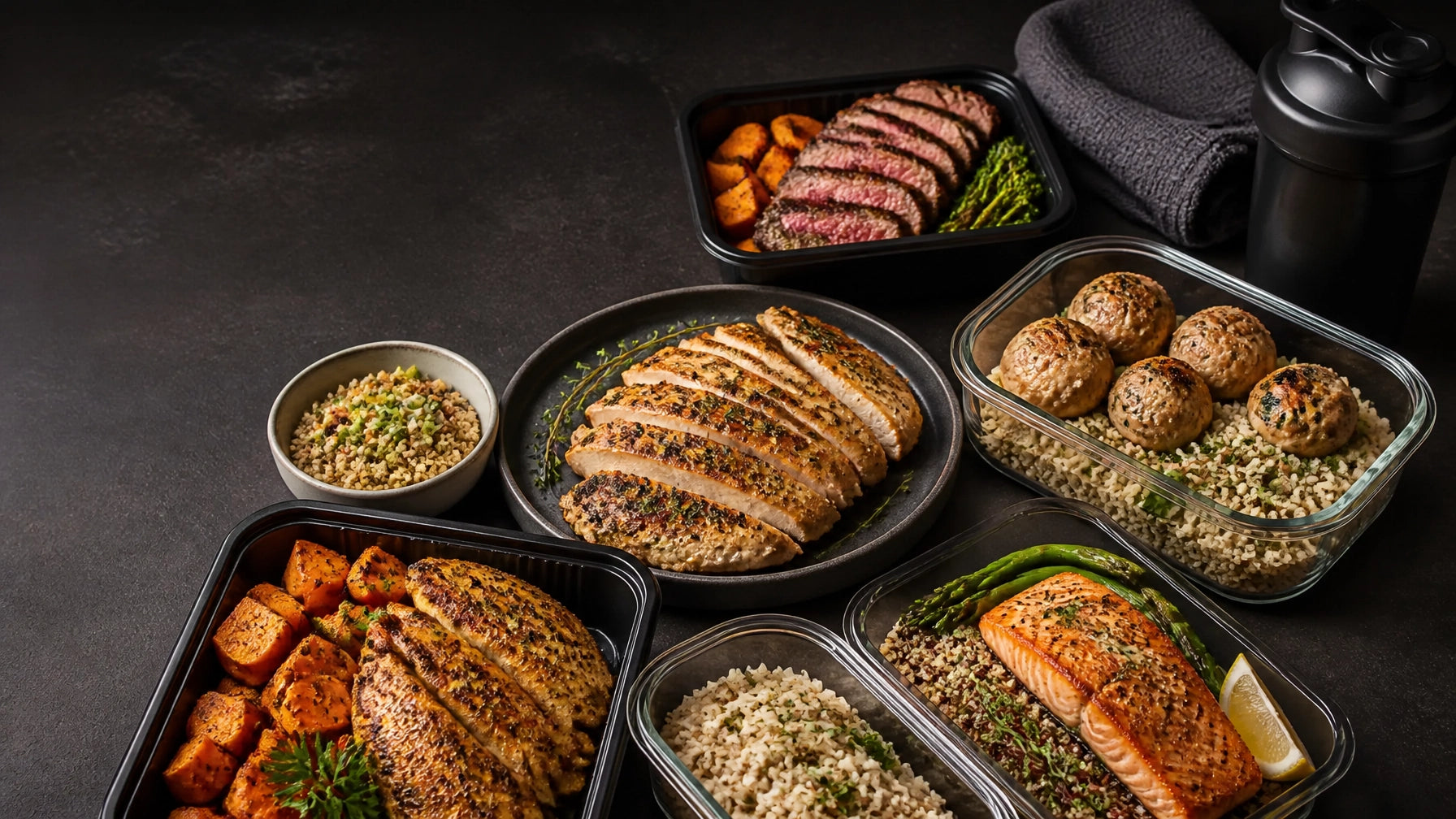
With Model Health Meals, participants can select from a rotating menu, have chef-prepared meals delivered to their door, and keep convenient options available throughout the week.
The Mix & Match meal plans allow members to choose meals that fit their preferences. Options listed on the menu include dishes such as chicken parmesan, burrito bowls, tofu stir-fry, vegan loaded sweet potato, Cajun tilapia, and beef and broccoli.
That variety matters. People are more likely to continue a routine when healthy food is satisfying, convenient, and enjoyable.

WHAT THE MODEL HEALTH MEALS CHALLENGE INCLUDES
Our six-week health challenges are designed to give your community a practical framework for showing up consistently.
A SHARED SIX-WEEK COMMITMENT
Everyone begins with the same timeline and a clear start date. Six weeks is long enough to establish a meaningful routine while staying focused and manageable.
WEEKLY HEALTH AND NUTRITION FOCUS
Each week can introduce one practical theme, such as:
- Hydration and daily meal consistency
- Balanced portions
- Protein and vegetable intake
- Planning meals around a busy schedule
- Smarter snacks and restaurant choices
- Maintaining progress after the challenge
A weekly focus prevents participants from trying to change everything at once.
GROUP ACCOUNTABILITY
Members can post daily wins, weekly reflections, meal photos, workout updates, or simple checkmarks. Encourage participants to share what worked and where they need support.
FLEXIBLE MEAL OPTIONS
Participants can choose meals that suit their lifestyle and dietary preferences. Model Health Meals offers vegan options, including vegan loaded sweet potato, roasted eggplant parmesan, vegan sausage and orzo, and tofu stir-fry.
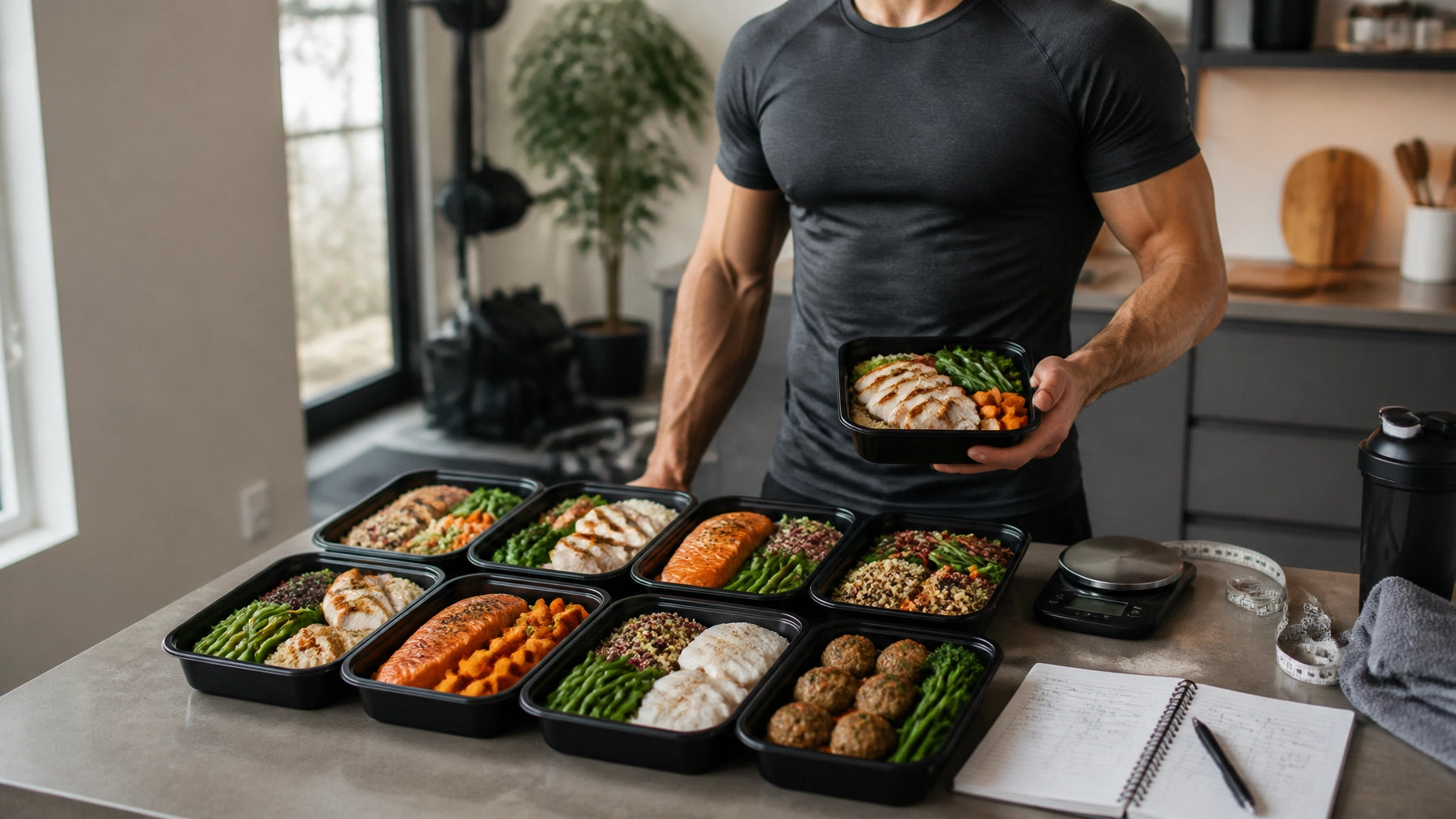
Fitness-focused members can also explore the Body Builder Kit, which allows customers to select proteins and sides while keeping macro goals in mind.
A COMMUNITY YOU CAN CONTINUE
The challenge is not only a six-week event. It can become the foundation for an ongoing wellness community: one that continues sharing meals, goals, workouts, and encouragement after the final week.
USE THIS SIX-WEEK CHALLENGE FRAMEWORK
WEEK 0: PREPARE AND COMMIT
Before the official start:
- Name the group.
- Choose the communication channel.
- Set the start and finish dates.
- Ask each person to define a personal goal.
- Match accountability partners.
- Order meals for the first week.
- Decide how members will check in.
Give participants a simple starting point. Ask them to record their current energy, meal consistency, activity level, or another personal measure. This creates a baseline without making the challenge all about the scale.
WEEK 1: CREATE YOUR FOUNDATION
Focus on showing up.
Ask participants to eat regular meals, drink more water, and complete their daily check-ins. The first week is about reducing friction and establishing the rhythm of the group.
WEEK 2: BUILD BALANCED PLATES
Focus on including protein, vegetables, and a satisfying carbohydrate source in meals.
Use the group chat to share favorite meal combinations. Encourage members to choose meals in advance rather than waiting until hunger makes the decision.
WEEK 3: MASTER CONSISTENCY
This is often the point when initial excitement fades.
Keep the challenge visible. Schedule a short group call, organize a shared workout, or create a mid-challenge celebration. Remind members that consistency does not mean every day is perfect. It means returning to the plan quickly.
WEEK 4: SOLVE REAL-LIFE OBSTACLES
Discuss common challenges:
- Long workdays
- Travel
- Social events
- Missed workouts
- Cravings
- Limited time
- Weekend routines
Have each participant share one strategy that helps them stay on track. A community becomes more valuable when members exchange practical solutions.
WEEK 5: STRENGTHEN THE ROUTINE
Encourage participants to repeat the habits that produced the most progress. Continue using meal delivery to keep nutritious options available and reduce last-minute decisions.
Add a friendly team goal, such as completing a combined number of workouts, check-ins, walks, or balanced meals.
WEEK 6: REVIEW AND CONTINUE
Ask each person to reflect on:
- What improved?
- Which habit feels easier now?
- What created the most friction?
- Which meals or routines were most useful?
- What will continue next week?
Celebrate completion. Then choose one or two habits to carry forward. The end of the challenge should be a transition: not a stop sign.

TIPS FOR ORGANIZING A CHALLENGE WITH FRIENDS OR COLLEAGUES
KEEP CHECK-INS FAST
A check-in should take less than two minutes. Try:
- Today’s win:
- Today’s challenge:
- Tomorrow’s focus:
Simple prompts increase participation.
USE TEAMS FOR EXTRA ENERGY
Divide a larger group into small teams. Track shared habits instead of body weight. Team points can reward meal planning, workouts, hydration, or check-ins.
CELEBRATE PROCESS WINS
Recognize behaviors people can control:
- Preparing meals in advance
- Completing a workout
- Choosing a balanced lunch
- Recovering after a setback
- Encouraging another member
MAKE PARTICIPATION FLEXIBLE
Not everyone will have the same schedule, dietary preferences, or fitness level. Let members choose suitable meals and personal goals while participating in the same overall structure.
PLAN THE NEXT WEEK BEFORE THIS WEEK ENDS
Use the weekly menu rotation to select meals before the deadline. Model Health Meals notes that orders can be placed online by 11:59 Friday night, with delivery directly to customers’ doors on Tuesday. Visit the weekly menu to review available options and plan ahead.
START YOUR SIX-WEEK RESET
You do not need more complicated rules. You need a clear goal, supportive people, and a food routine that fits real life.
Build your group. Set the dates. Choose the habits. Schedule the check-ins. Make healthy meals effortless with chef-prepared delivery from Model Health Meals.
CREATE YOUR COMMUNITY. COMMIT FOR SIX WEEKS. MAKE YOUR NEXT HEALTHY CHOICE EASIER.

Leave a comment
This site is protected by hCaptcha and the hCaptcha Privacy Policy and Terms of Service apply.